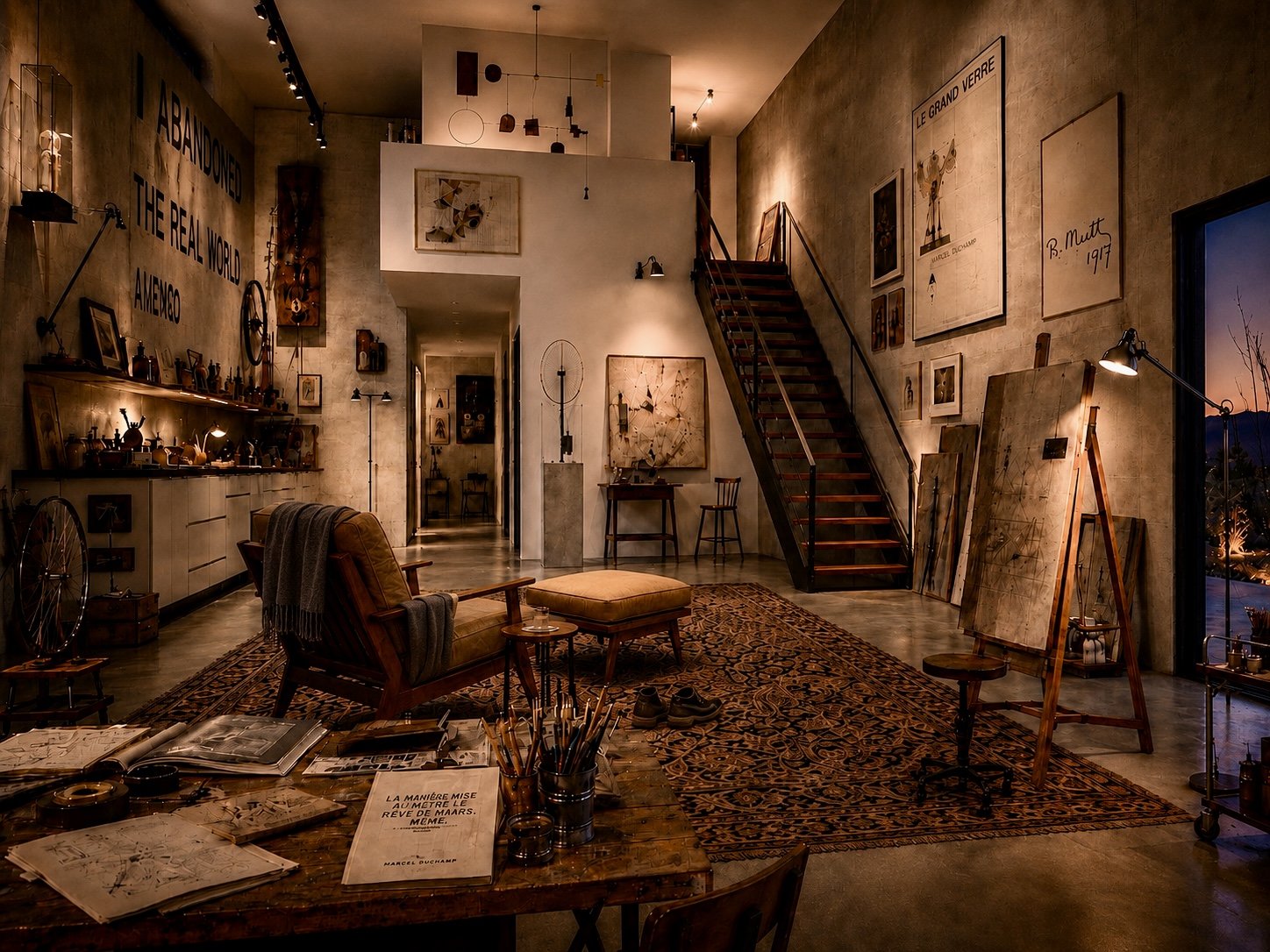
Joe Cordelle is an architect and digital pioneer whose career spans more than 45 years at the intersection of design, technology, and creative expression. While studying architecture at Texas A&M, he served as an apprentice to noted sculptor Stephen Daly, whose approach to sculpture influenced his understanding of form, material, and craftsmanship. After briefly studying fine art at the Glassell School of Art, he began his professional career with CRS (Caudill Rowlett Scott), one of the nation’s most influential architectural firms in the late 1970s.
In 1977, Joe entered the emerging world of computer-aided design, working alongside some of the earliest innovators who were introducing computers into architectural practice. Since then, he has remained at the forefront of technological change, witnessing and contributing to the evolution of digital design from its earliest beginnings through today’s advanced 3D visualization and digital rendering.
In 1996, Joe accepted an opportunity to join SimEx Digital Studios, a small boutique visual effects company recognized for its groundbreaking work in immersive ride films and computer-generated visual effects for feature films. There he worked alongside industry leaders, including founder Alan Yamashita, whose career included supervising the miniature effects for Blade Runner; Academy Award-winning visual effects director Richard Yuricich, whose work helped define the film’s iconic visual style; Richard Taylor, the visionary Visual Effects Supervisor behind Tron, whose groundbreaking innovations helped establish computer-generated imagery as a new medium for cinematic storytelling; and acclaimed animation director Jean Perramon, whose innovative work helped redefine Saturday morning animated advertising, bringing a new level of imagination, storytelling, and visual sophistication to children’s television.
This experience not only broadened Joe’s understanding of the technical craft of computer graphics, but also the creative philosophy behind visual storytelling. It shaped his belief that compelling imagery should communicate atmosphere, emotion, and context as powerfully as it conveys architectural form—a philosophy that continues to define his work in architectural visualization and animation.
In 1999, Joe founded Animate Digital Studios, applying the advanced visualization techniques he developed in the film industry to architecture and urban design. During the past 25 years, he has produced digital renderings and animations for many of the world’s leading architects and developers, contributing to landmark projects including Roppongi Hills in Tokyo, the International Terminal at LAX, Petco Park, King Abdullah University of Science and Technology in Saudi Arabia, Seaport San Diego, Pacific Gateway and numerous airports, museums, stadiums, hospitality, mixed-use, and urban development projects around the world.
Today, Joe is the founder of Context. Drawing inspiration from magical realism, Context emphasizes atmosphere, human experience, and the relationship between architecture and the environment. The imagery reveals not only the form of a building, but also its character and sense of place, subtly elevating the familiar beyond the ordinary.

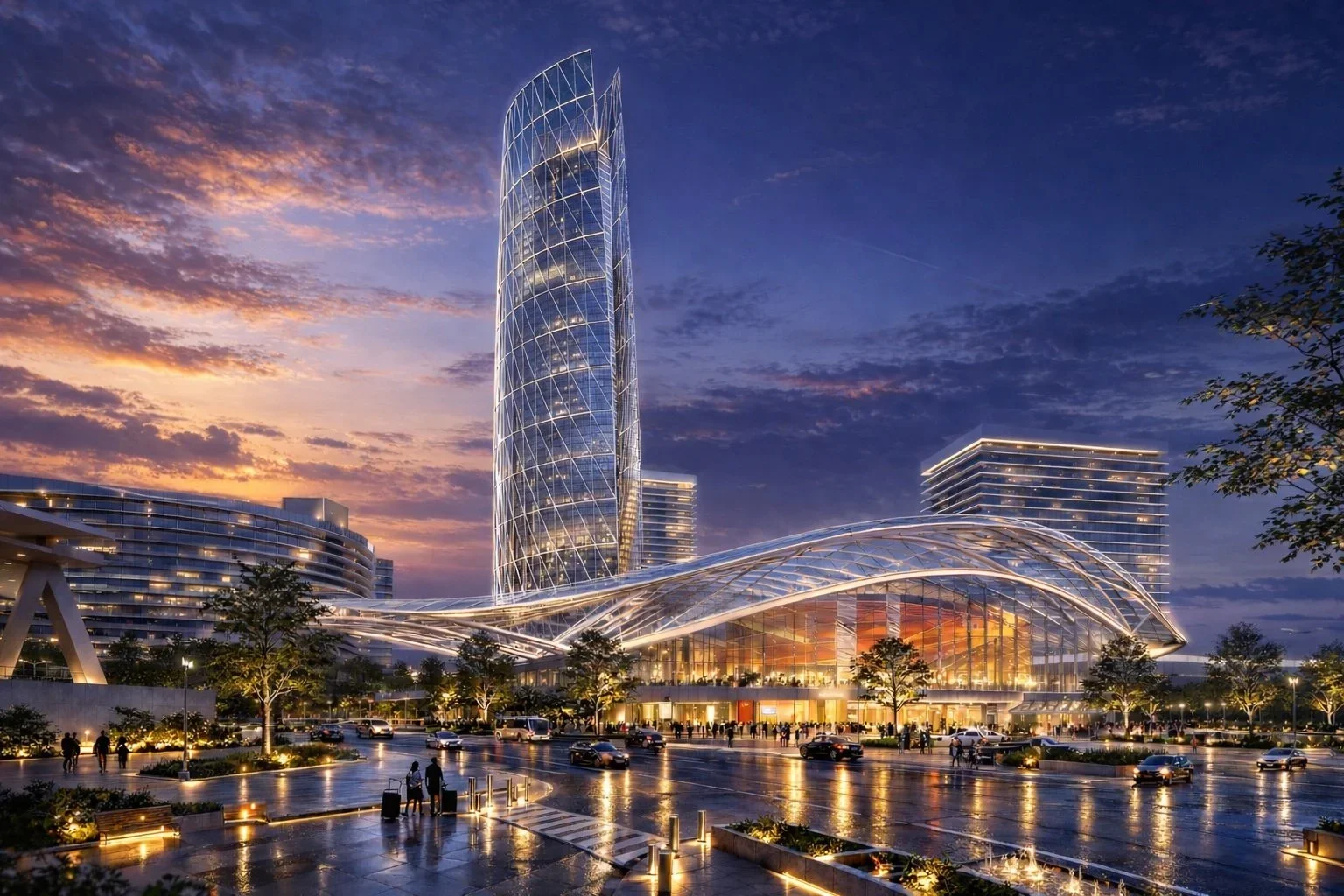
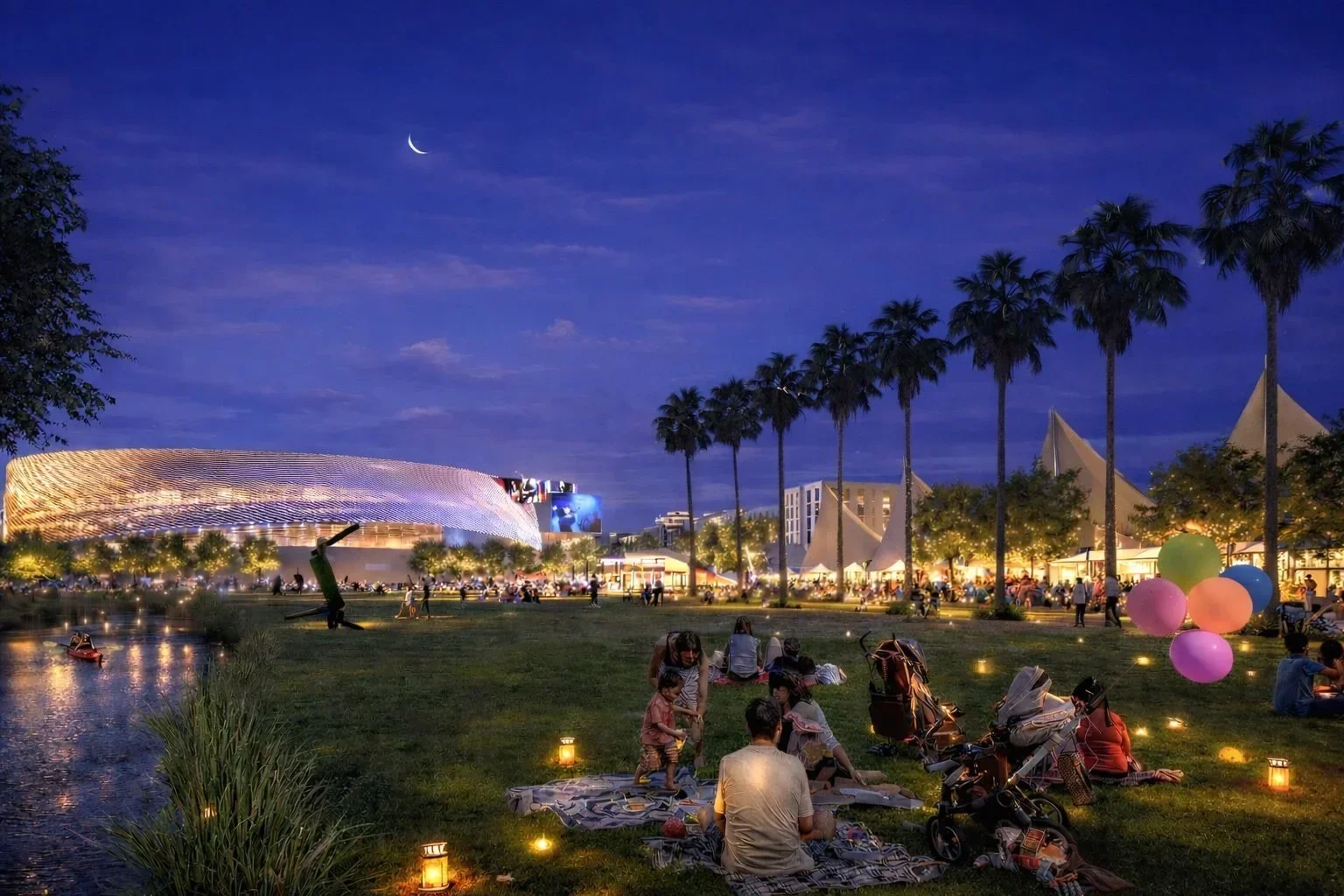
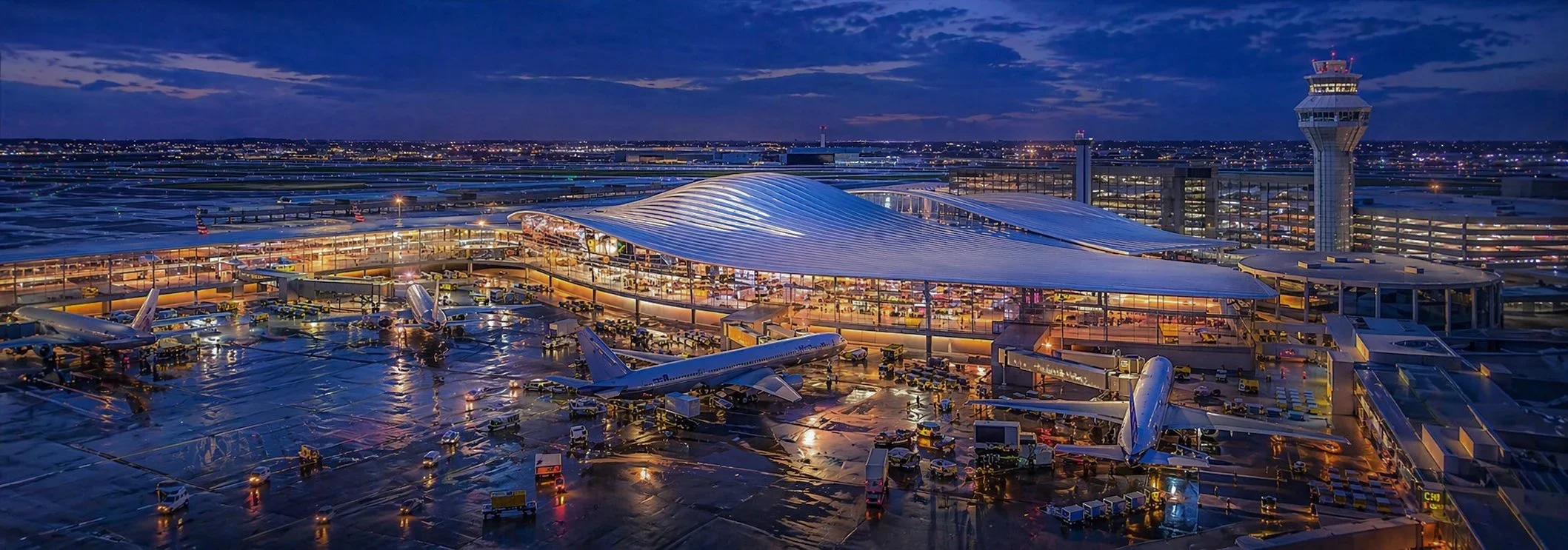
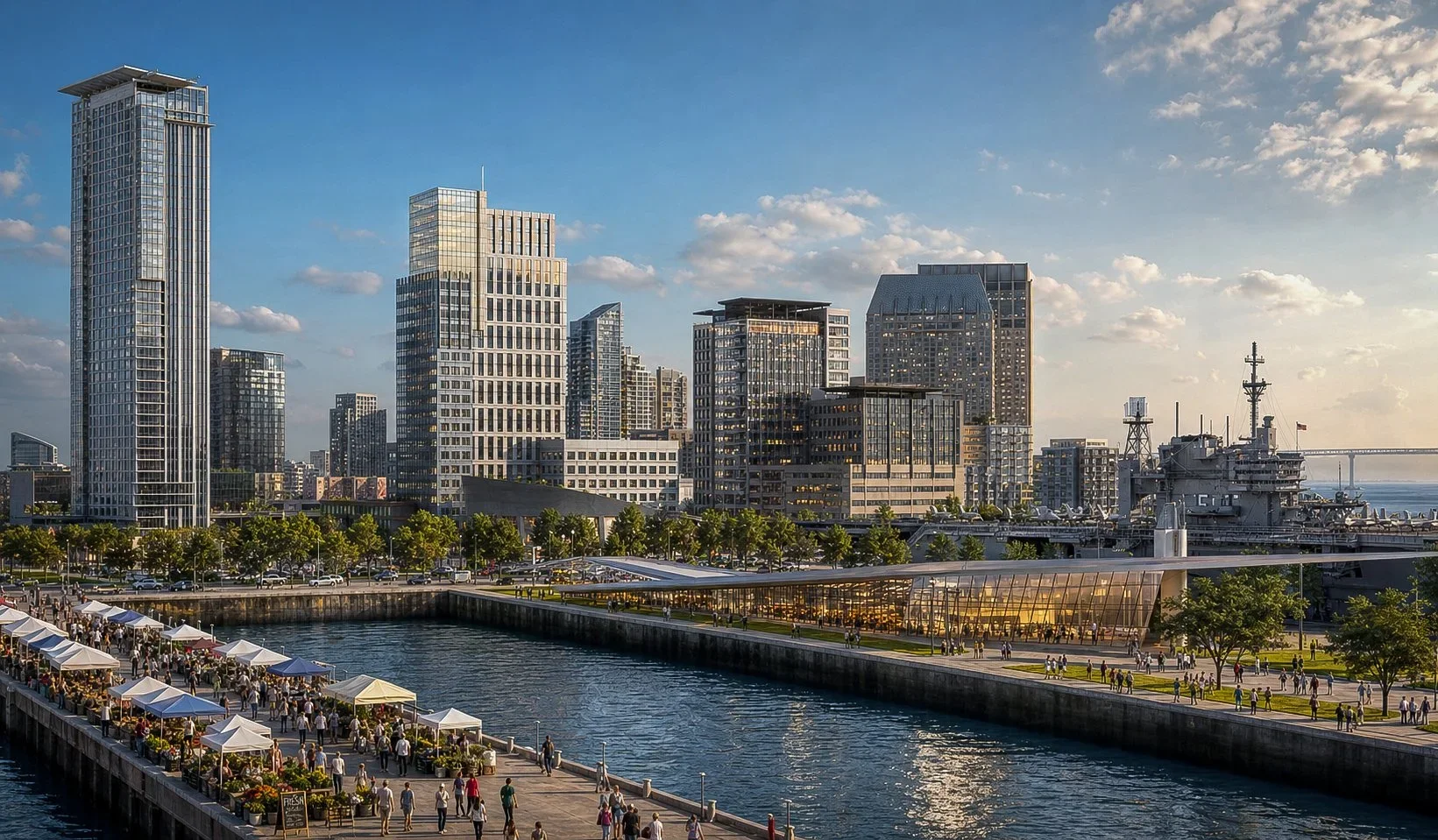

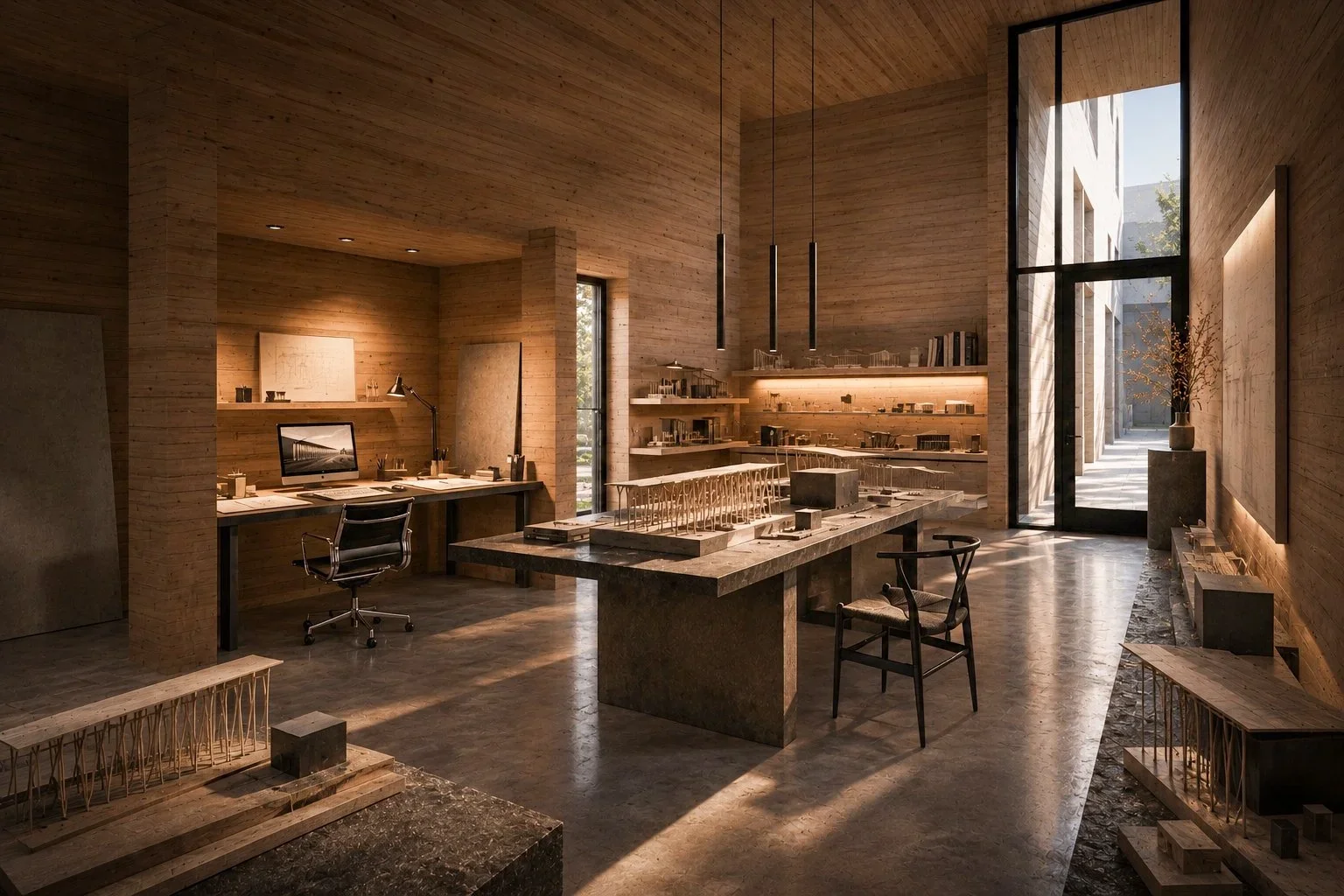

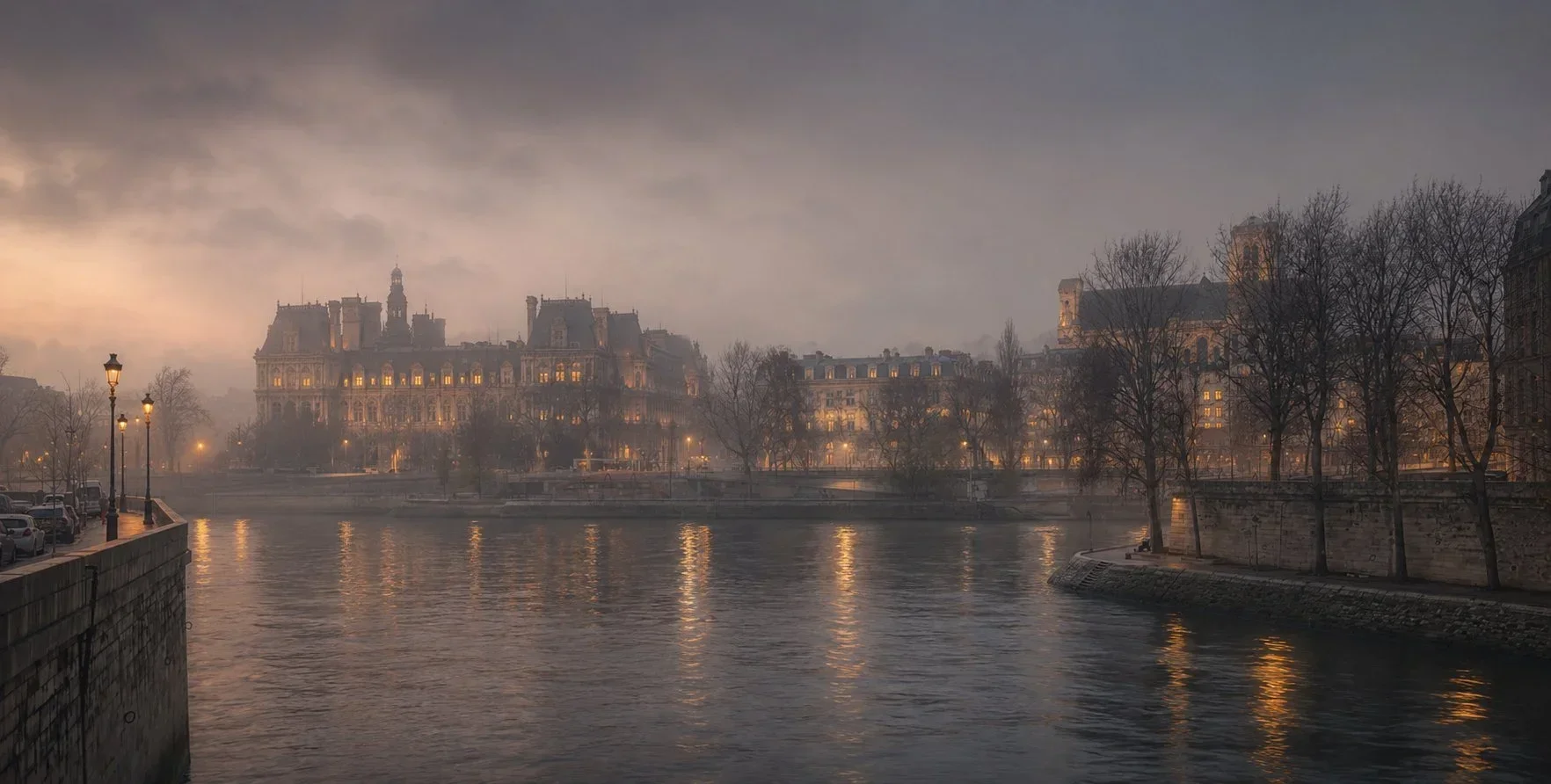
Magical realism is a style of storytelling or art in which extraordinary, dreamlike, or impossible events appear within an otherwise ordinary, realistic world—and are treated as natural rather than surprising.
An ordinary object may mysteriously repeat or appear slightly displaced, traces of another time may coexist with the present, or a reflection may reveal something that does not exist in the space itself. These moments are simply accepted as part of reality.
In architecture, it might describe a familiar place transformed through atmosphere, light, reflection, repetition, scale, time, or ambiguity—still believable, but charged with something slightly unreal.